
Die sieben Todsünden
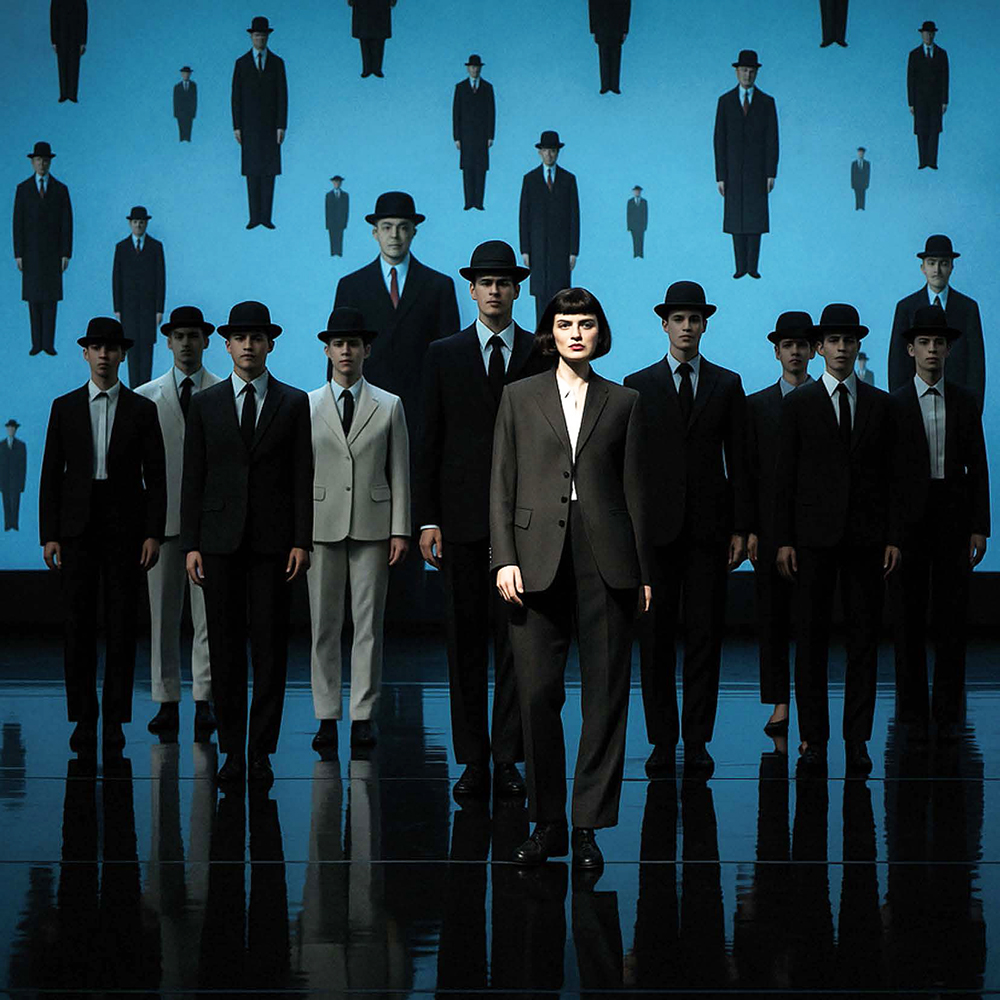
Die sieben Todsünden
A contemporary reinterpretation of Kurt Weill and Bertolt Brecht’s sung ballet: a work in progress.
Synopsis
Created in 1933, the work tells the story of Anna, or rather the Annas. Two women, both named Anna, travel through seven American cities in seven years and confront one of the seven deadly sins in each of them. Sent by their family to earn the money needed to build a house in Louisiana, they must constantly reconcile what is right with what is necessary, under the moralizing gaze and constant judgment of their family chorus.
Concept
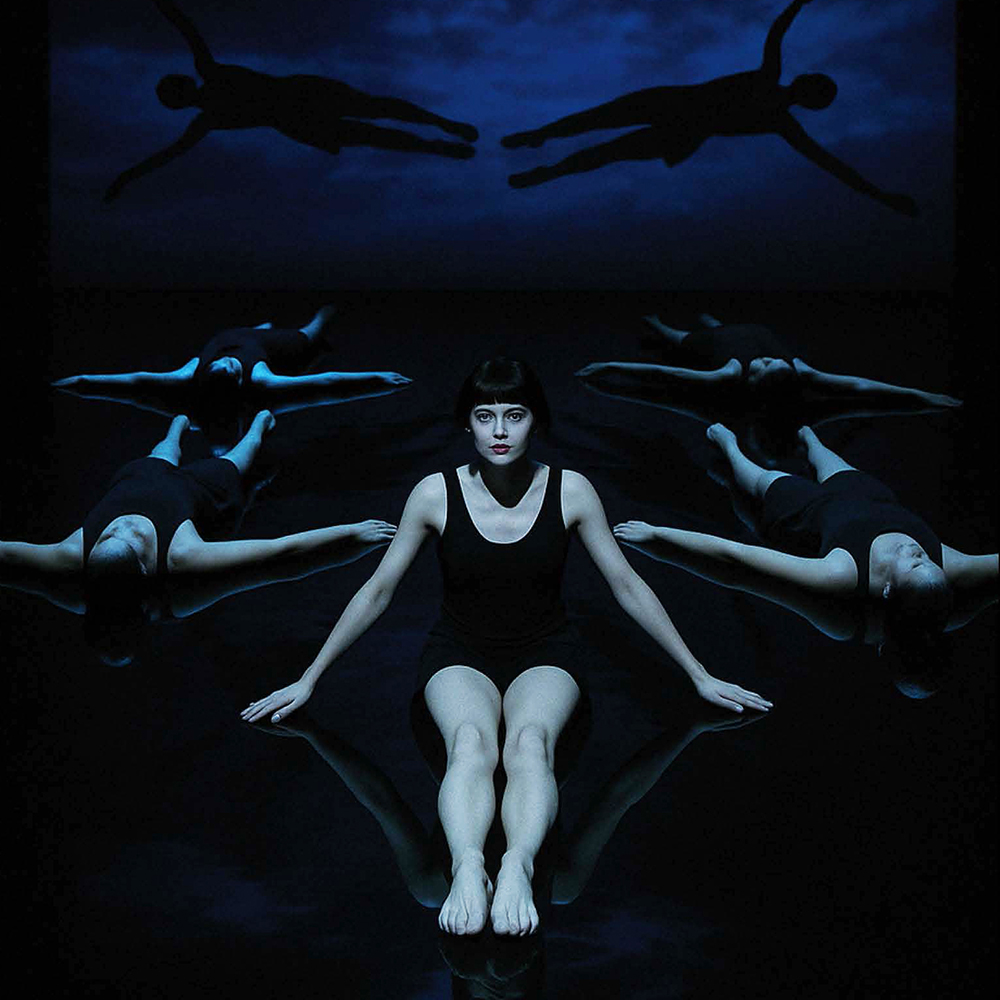
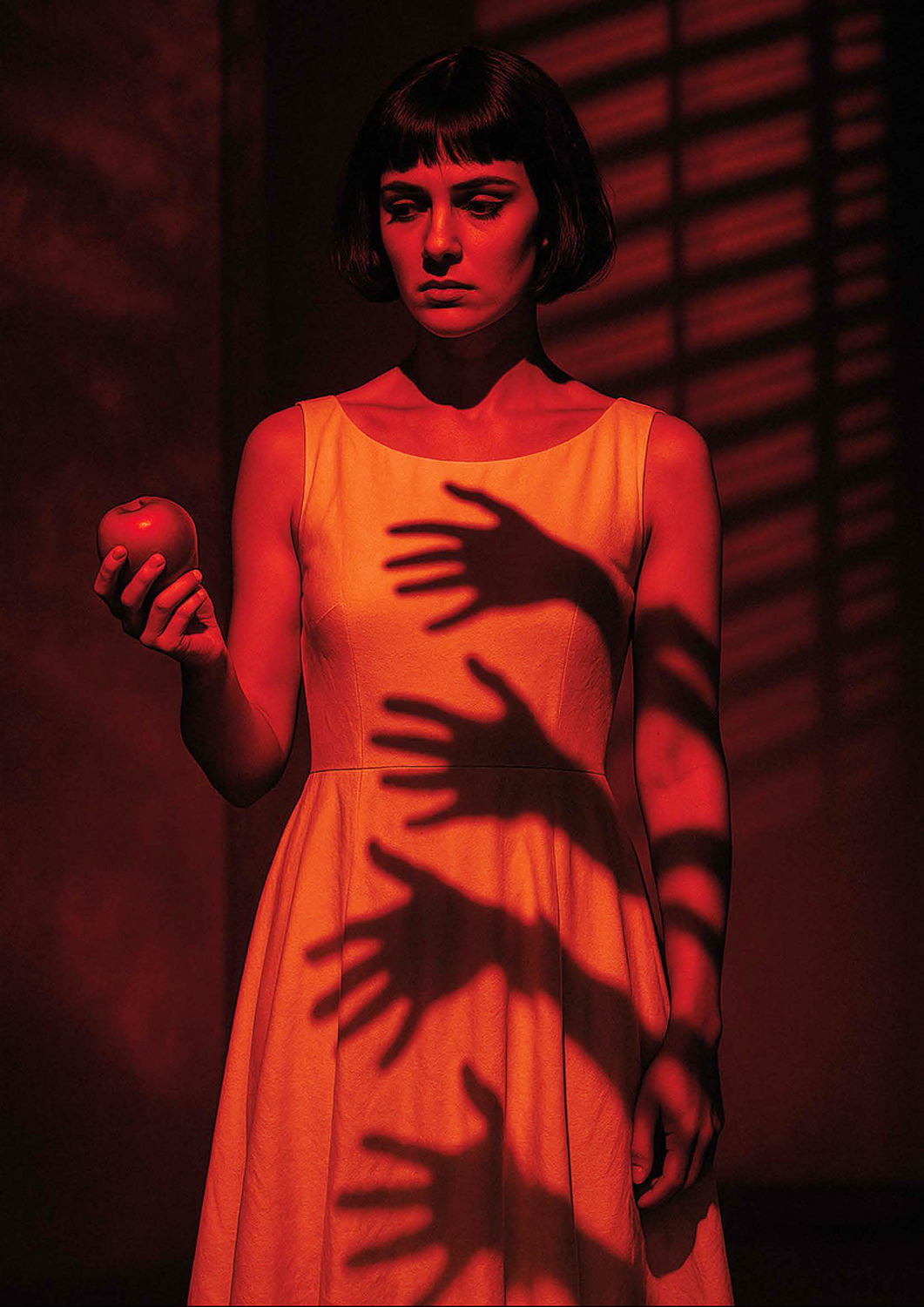
A new interpretation of Die sieben Todsünden (The Seven Deadly Sins) in which the character of Anna is played by a soprano and four dancers: five bodies telling the story of a woman forced to fragment herself in order to survive. Each of the seven deadly sins becomes a living tableau, sculpted by music, movement, and powerful symbolic imagery.
The mystery of Anna I and Anna II
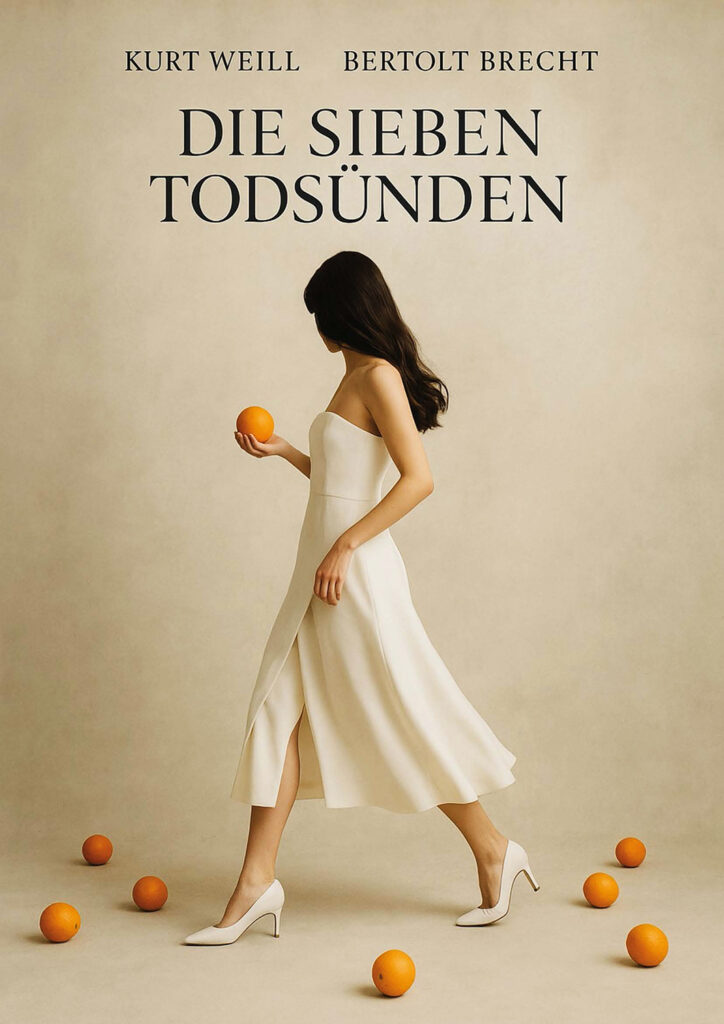
Die sieben Todsünden (The Seven Deadly Sins) by Kurt Weill and Bertolt Brecht is a unique sung ballet, at the crossroads of dance, music, and theater, and absolutely captivating. Created in 1933, the work tells the story of Anna, or rather the Annas. Two women, both named Anna, travel through seven American cities in seven years and confront one of the seven deadly sins in each of them.
But this is not an adventure story, it is a journey of sacrifice.
Sent by their family to earn the money needed to build a house in Louisiana, they must constantly reconcile what is right with what is necessary, under the moralizing gaze and constant judgment of their family chorus.
However, in Weill and Brecht’s original structure, the real story lies beneath the surface. The two Annas are not sisters, but two sides of the same woman. Anna I embodies reason, calm, strategic, and calculating. Anna II represents feeling, impulsive, emotional, and carnal. Together, they form a fragmented being, caught in the impossible task of remaining one and the same person while the world tears them apart.
Team
- Director: Mária Devitzaki
- Musical director: Konstantinos Diminakis
- Set and costume design: Peggy Wurth
- Video design: Gilles Seyler
Performers
- Anna: Mária Devitzaki
- The Family: Ensemble Lyrique Sequenda / INECC
- Instrumentation: 1 flute (+ piccolo) / 2 clarinets / 1 bassoon / 1 horn / 1 trumpet / 1 trombone / Percussion / Piano / Banjo (+ guitar) / 1 violin I / 1 violin II / 1 viola / 1 cello / 1 double bass
Partnership
- To come
Seven cities, seven sins
- Prologue
- Faulheit / Sloth
- Stolz / Pride (Memphis)
- Zorn / Wrath (Los Angeles)
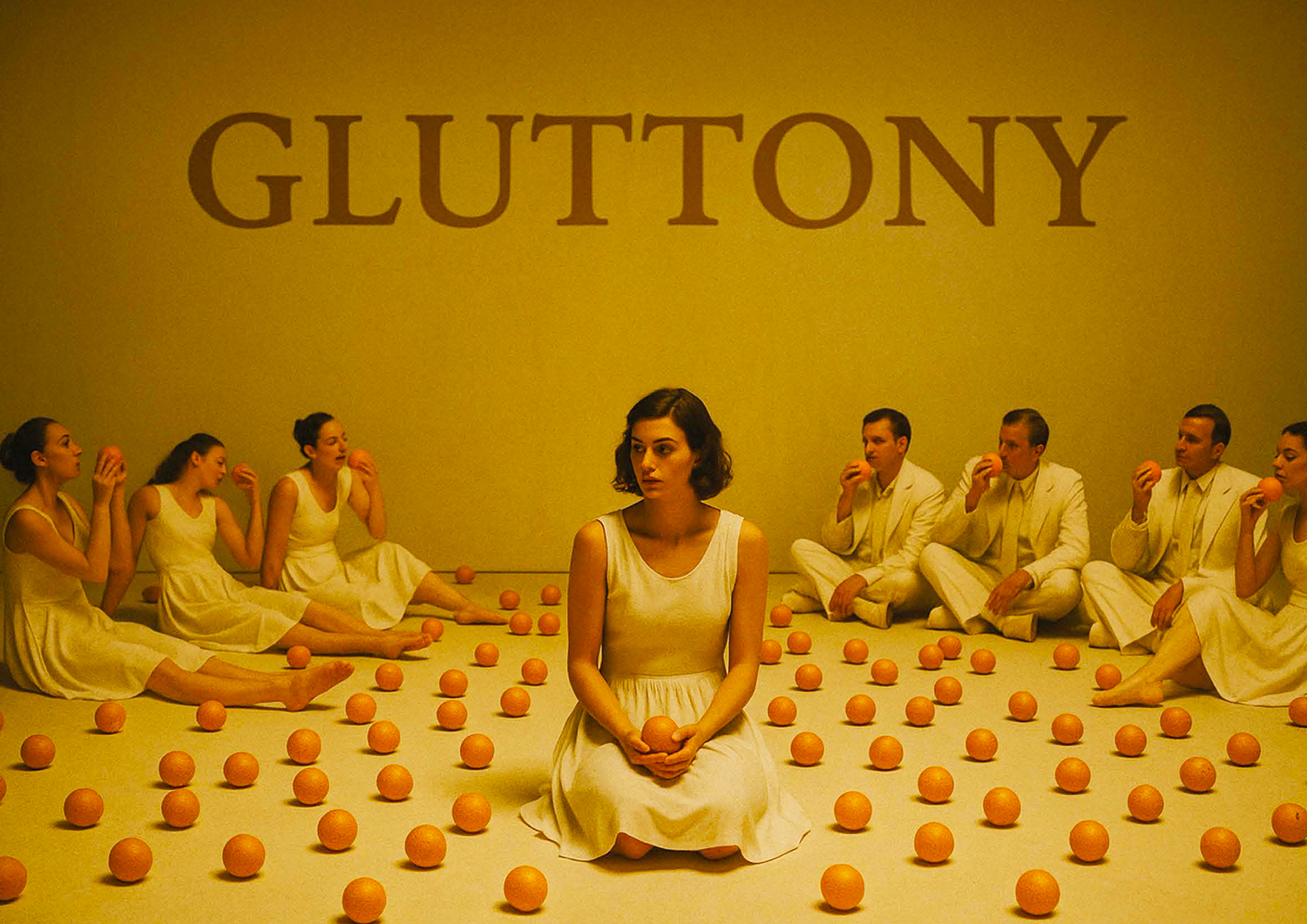
- Völlerei / Gluttony (Philadelphia)
- Unzucht / Lust (Boston)
- Habsucht / Greed (Tennessee; in posthumous versions: Baltimore)
- Neid / Envy (San Francisco)
- Epilogue (Return home, Louisiana)
Artistic vision
Mária Devitzaki, director
For me, Die sieben Todsünden is not just a satire on bourgeois morality. Above all, it is the story of a woman who, in silence, gradually breaks down in order to survive.
In this production, Anna is divided between five performers: one singer and four dancers. This fragmentation reveals the emotional cost of obedience, the inner conflict between what we desire and what we must accomplish. Each scene becomes a living tableau, suspended between instinct and duty, desire and control.
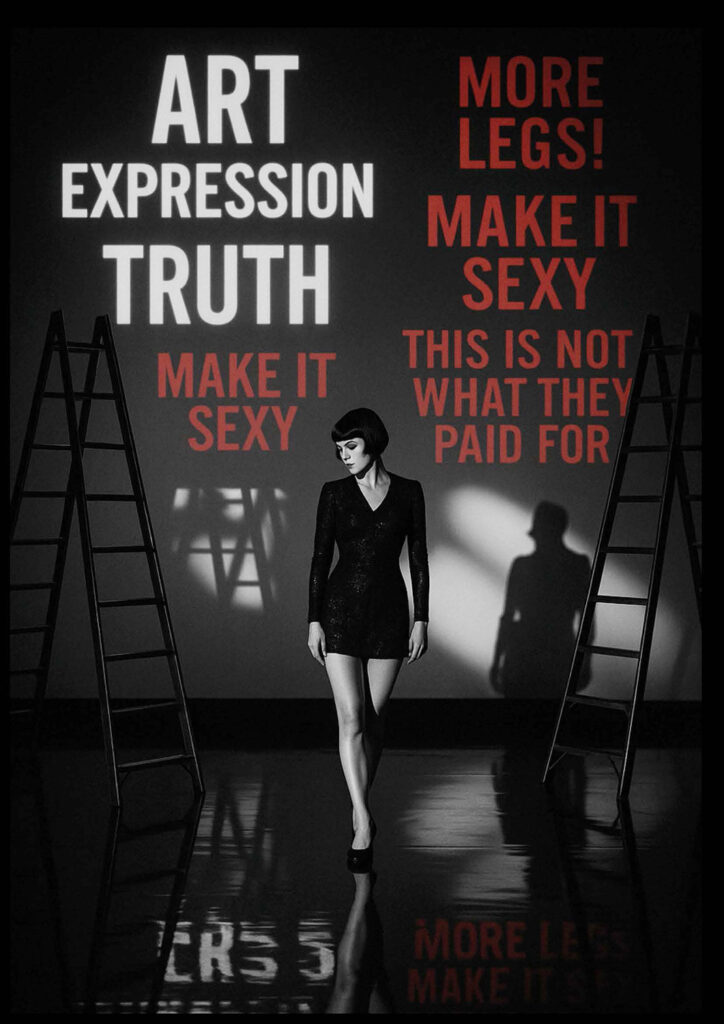
The visual universe is resolutely cinematic, inspired by a neo-noir aesthetic: sharp contrasts, bold but legible symbolism, an atmosphere that is both modern and familiar. It is a world that seeks to captivate the viewer, both direct in its emotion and rich in layers of meaning.
Above all, the staging listens to the music. Weill’s music lives in a liminal space between the street and the stage: cabaret, jazz, and irony meet lyricism. It is music that tells the truth. It determines not only the rhythm but also the emotional pulse of the work. Silence, breathing, and gesture are sculpted by the music itself. The score is not an accompaniment, it is the architecture.
At the heart of this work lies a question that still resonates today: how much of herself must a woman lose in order to have the right to survive?
Through this creation, I want to bring to life an Anna who is constantly torn between survival and expression, between what she must do and who she really is. Her fragmentation speaks to generations of women shaped by systems that reward sacrifice and punish self-assertion. It is this struggle to exist within the expectations of the world, both intimate and universal, that we seek to make visible.
Visual and musical approach
The staging adopts a neo-noir visual language, bold symbolism, and choreography that is both expressive and visceral. The score, performed by a chamber orchestra (14 instruments and piano), will be preceded by an original overture specially commissioned for this production.
Artistic vision
Konstantinos Diminakis, musical direction
Revisiting Die sieben Todsünden in this production opens up new layers of interpretation in the music, layers that are more urgent, more exposed, more alive than ever before. Weill’s score, although concise, carries immense emotional weight. It is shot through with sudden reversals, irony, tenderness, and biting clarity. For this production, we are using Weill’s chamber orchestration for fifteen instruments, a version that brings the music closer to the skin. It strips away all excess and leaves us with a raw, transparent sound of striking vitality. Every line counts. Every silence too. This configuration demands great precision and acute sensitivity from the musicians, but it allows the music to breathe with the same intensity and fragility that we find in Anna herself.
To open the performance, we add a musical prologue specially commissioned for this production. This contemporary gesture acts as a bridge, a way of emotionally preparing the audience before entering Weill’s universe. It provides a space to arrive, listen, and feel the tension that is about to unfold. The music is not an accompaniment, but a living part of Anna’s fragmented inner world. As a conductor, this closeness between music, movement, and meaning is what I cherish most.